
What Are The Best Techniques for Hard Drive Destruction?
Thursday, August 27th, 2026
Businesses often have security measures in place to protect their sensitive information. Document destruction is an important aspect of these measures. However, many people don’t consider what to do with their old hard drives. Here, we will discuss the importance of hard drive destruction and the methods used to ensure it is done effectively.
The Importance of Hard Drive Destruction
With advancements in technology, businesses are now more vulnerable than ever to data breaches. This can lead to loss of sensitive information, financial damage, and a negative reputation. It’s not enough to delete files or format hard drives – data can still be recovered from these methods. This is where hard drive destruction comes in.
The physical destruction of hard drives ensures that all data is completely irretrievable. This eliminates the risk of sensitive information falling into the wrong hands and protects businesses from potential legal consequences. It also helps protect against identity theft, as personal information stored on old hard drives may be used to steal someone’s identity.
Additionally, businesses may be required by law to properly dispose of their old hard drives. Failure to do so can result in hefty fines and legal action. Therefore, hard drive destruction is not only important for security reasons but also for compliance with regulations.
Methods of Hard Drive Destruction
There are several methods used to destroy hard drives. You should research what is best for your business.
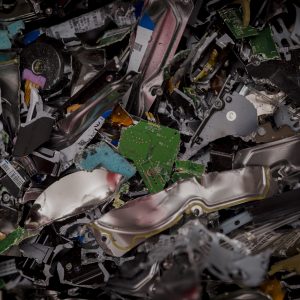
- Shredding: This method involves physically breaking the hard drive into small pieces using specialized equipment. The shredded pieces are then disposed of securely.
Pro: Offers complete destruction of the hard drive.
Con: May not be environmentally friendly. - Degaussing: Degaussing uses a high-powered magnet to erase all data on a hard drive. This method is effective, but it can only be used on certain types of hard drives.
Pro: Efficient and environmentally friendly.
Con: Not suitable for all types of hard drives. - Drive Wiping: In this method, all data on a hard drive is overwritten with random characters multiple times, rendering the original information unreadable.
Pro: Environmentally friendly.
Con: Time-consuming and may not completely erase all data if not done correctly. - Incineration: This method involves placing the hard drives in an extremely high-temperature furnace, completely destroying them.
Pro: Complete destruction of the hard drive.
Con: Not environmentally friendly and may not be practical for all businesses.
It’s important to note that these methods should be done by certified professionals who follow strict protocols to ensure the complete destruction of the hard drives. Improper handling of the destruction process can lead to data breaches and legal consequences.
How to create a hard drive destruction plan
As with any security measure, businesses should have a plan in place for hard drive destruction. This plan should outline the process of disposing of old hard drives and include regular intervals for destruction.
Here are some steps to consider when creating a hard drive destruction plan.
- Identify sensitive data: Determine what information your business needs to protect and ensure that all devices containing this data are included in the destruction plan.
- Choose a method: Research and select a certified company that offers a secure and reliable method of hard drive destruction.
- Implement your plan at regular intervals: Set up a schedule for disposing of old hard drives, whether it is quarterly or annually. This ensures that information stays protected and prevents the buildup of unnecessary devices.
- Keep records: Document the destruction process to maintain compliance with regulations and track the disposal of sensitive information.
Additional Tips
Here are some additional tips to keep in mind when it comes to hard drive destruction:
- Don’t forget about other devices: Hard drives are not the only devices that may contain sensitive information. Remember to also include destruction plans for other storage devices such as USB drives and CDs.
- Stay up-to-date with technology: As technology advances, so do data recovery methods. Keep informed about the latest advancements in hard drive destruction to ensure your plan remains effective.
- Train employees: Educate your employees on the importance of properly disposing of old hard drives and other devices. This helps prevent accidental data breaches and promotes a culture of security within the company.
With the increasing threat of data breaches, businesses cannot afford to overlook the importance of hard drive destruction. By having a proper plan in place and using certified professionals, companies can protect their sensitive information.
At UCI Document Solutions, we want to take the stress out of managing your document and hard drive destruction. Call us today at (806) 372-7722 or fill out our form to receive a free quote!